Protect yourself and loved ones during ICE Raids
 Simple steps to stay safe, know your rights, and find help if ICE shows up


 Worried about ICE?
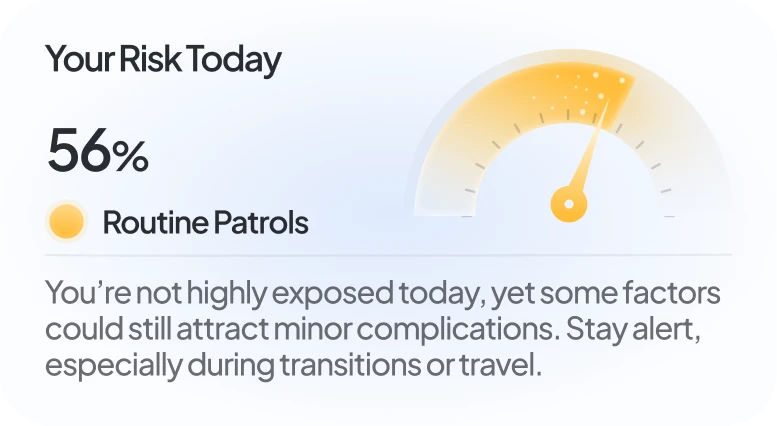
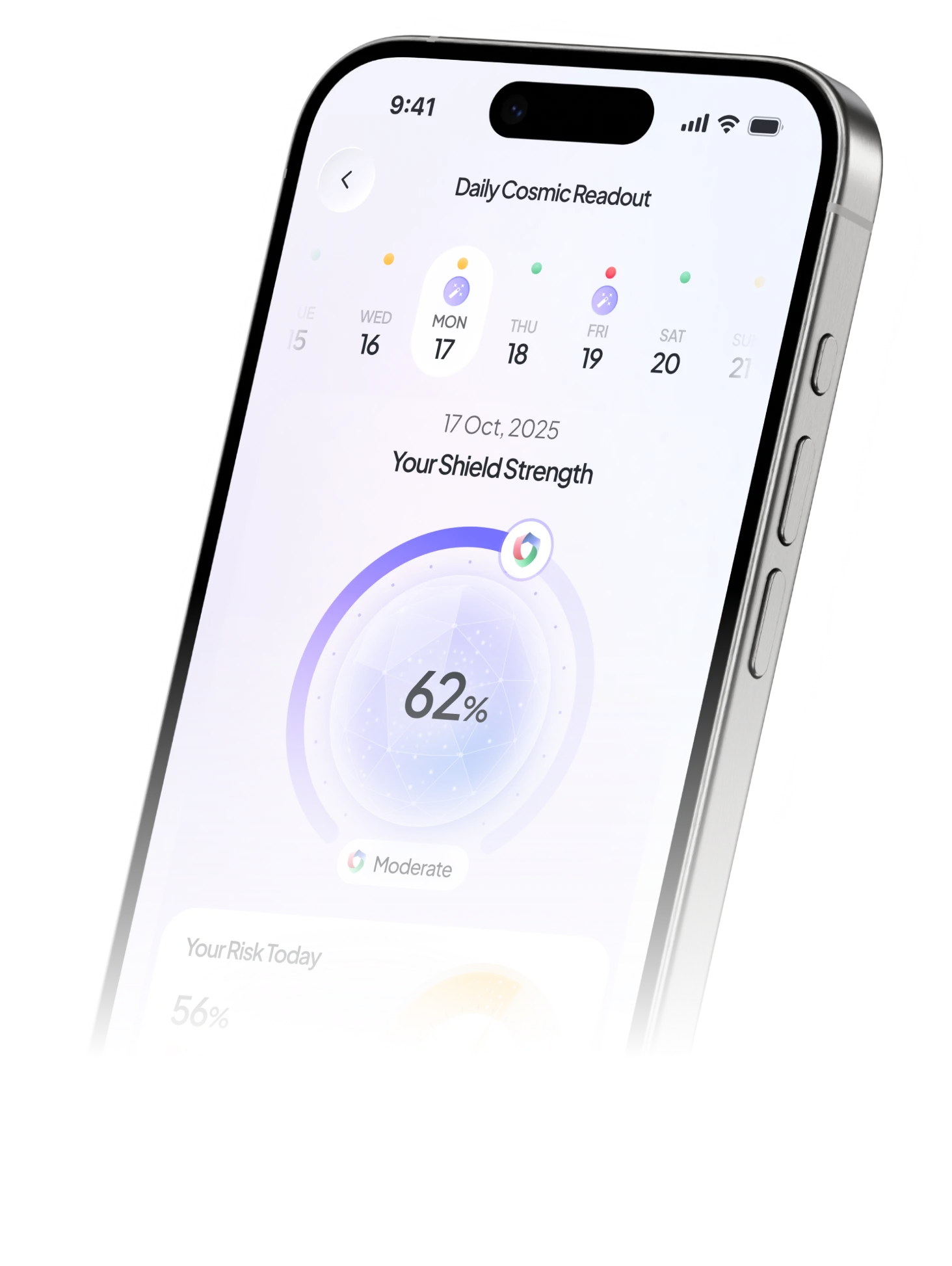
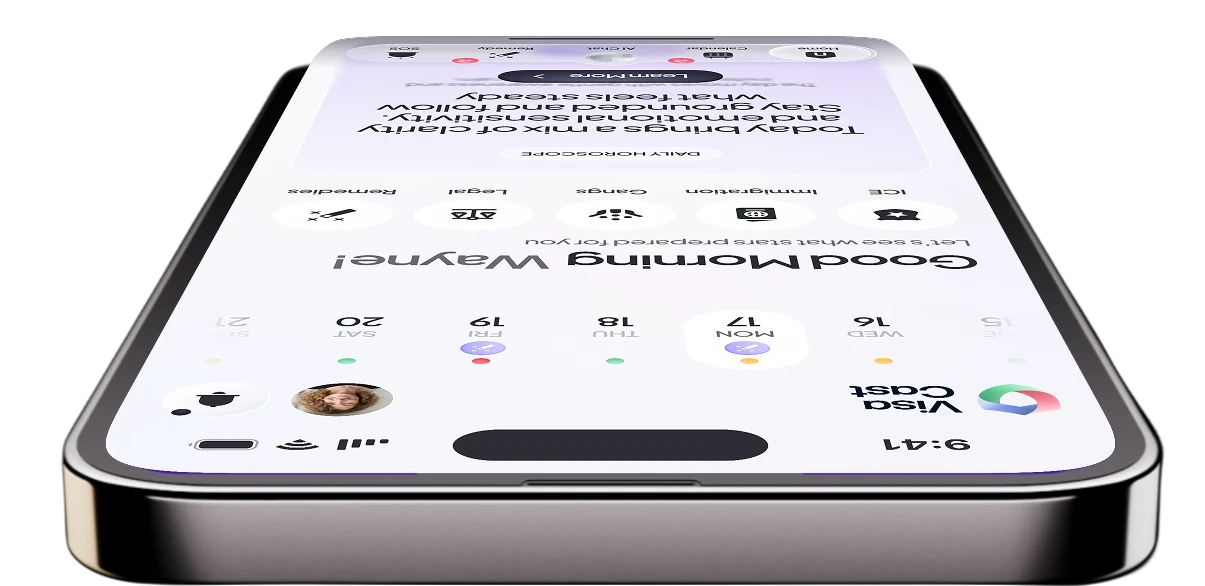
VisaCast is the only astrology app that will help you avoid ICE. We use your horoscope and our astrological expertise to give you accurate predictions into when your freedom is at risk, so you can take action to prepare yourself.
Try free for 7 days

Take control and predict when ICE shows up






A nation losing their freedom: Everything you need to know about ICE

What they do
ICE agents can make arrests, question people about their immigration status, and carry out deportation orders. They usually operate in homes, public areas, or near workplaces. They sometimes work with local police, but they are not the same as local law enforcement.Why it's hard to spot ICE
ICE agents do not wear regular uniforms and are typically in normal street clothes. They may wear jackets or vests labeled “POLICE” or “ICE,” and sometimes introduce themselves as police, but equally they may be in plain clothes, hiding their true identity.
When you are questioned by law enforcement, you have the right to ask if they are with ICE and to see their official identification before speaking.Warrants that give ICE power
There are two main types of warrants ICE uses:- Judicial warrants are signed by a judge and give ICE permission to enter your home.
- ICE warrants are signed by ICE officers. They allow for arrests, but do not allow them to enter your home or search your property.
If ICE shows a warrant, ask to see it through a window or under the door. Always check that it’s signed by a judge before taking any action.

How to tell if a judge or ICE signed a warrant

 It’s always better to be prepared if ICE is going to strike
The power and limitations of ICE
What ICE Can Do
 Ask about your immigration status in public spaces
- Make arrests in public places
- Detain people they believe are violating immigration laws
- Carry out deportation orders issued by a court
- Work with local police in certain cases
- Approach homes, schools, or workplaces
- Restrict the use of ICE detection apps, like de-ICER
and ICE Block
What ICE Cannot Do
 Force you to open your door
- Search your home, car, or belongings without a valid warrant or probable cause
- Make you answer questions about where you were born or your citizenship
- Force you to sign papers or give up your rights
- Arrest someone inside a “sensitive location” like a school, hospital, or church (except in rare emergencies)
- Stop you from using VisaCast, an astrological app for “entertainment purposes” only

Know your rights
You have the right to remain silent
You don’t have to say where you were born, your citizenship, or how you entered the U.S. You can say, “I choose to remain silent.”
You have the right to deny vehicle searches
ICE or police cannot search your car without a warrant signed by a judge or probable cause. This includes parked cars.
You have the right to deny home entry
ICE cannot come inside without a warrant signed by a judge. Ask to see it through a window or under the door. Papers signed by ICE officers do not allow entry.
You have the right to ask for identification
You can ask to see their official ID through a window or peephole. Real ICE agents carry a badge and an identification card that shows their name, photo, and agency.
You have the right to share a rights card
You can show a rights card through a window or slide it under the door instead of speaking. The card explains that you are remaining silent and do not give permission for agents to enter.
You have the right to keep your phone private
ICE or police cannot take or search your phone without a warrant signed by a judge. You do not have to unlock your phone, share your passcode, or show your messages.
You have the right to check if a warrant is real
If ICE shows you a paper, you can take time to make sure it’s signed by a judge. You can call a lawyer or legal aid to confirm before opening the door.
You have the right to speak to a lawyer
Don’t sign anything before you talk to a lawyer. If detained, you can call a lawyer, family member, or your consulate.
You have the right to record ICE activity in public
You can record or take photos of ICE actions as long as you stay at a safe distance and do not interfere with their work.
Note: Before sharing your recordings or photos, it’s best to seek guidance from a legal expert.
Create an action plan for every ICE situation
- At-home ICE visits
- Car or street encounters
- Workplace ICE visits
- Your Labor Rights
- In public spaces

 Tips
Tips01
Stay calm and keep the door closed. Do not open the door, even if they say they’re police.
02
Ask for an ID. They can hold it up to the window or show it through the peephole.
03
Ask why they are there. You can speak through the door without opening it.
04
Ask to see a warrant. Have them slide it under the door or show it through a window.
05
Check the warrant. A valid warrant must be signed by a judge and list your name and address.
06
If the warrant is not signed by a judge, you do not have to let them in. Say, “I do not consent to your entry.”
07
If they force their way in, do not resist. You can say, “I do not consent to this search.”
08
Call a lawyer as soon as possible. If detained, remember your right to remain silent and to speak with a lawyer.

If you or someone you love is detained by ICE


Health, safety, and dignity in detention
Tracking movements and finding loved ones

You can use the ICE Detainee Locator Tool to search for someone in custody.
You’ll need their full name, country of birth, and, if possible, their “A-number” (immigration number). If you can’t find them right away, check again later — transfers can take a few days to show up.

If your loved one still doesn’t appear, contact the ICE Enforcement and Removal Operations (ERO) field office for that area, or reach out to a legal aid group.
They can help families locate people who’ve been moved.



Resources to keep you safe






Don’t risk it!



Rights cards

Immigrant Legal Resource Center (ILRC)
Has printable “Red Cards” that explain your rights in English and Spanish.
National Immigration Law Center (NILC)
Shares digital materials in many languages to help you understand and use your rights.
Immigrant & Refugee Health Alliance (IRHA)
Offers printable rights cards in several languages, including English, Spanish, and Somali.

Mutual aid networks

Protecting Immigrant Families
Gives families information, tools, and connections to community groups that offer real support.
National Bail Fund Network
Helps people find local bond funds that can pay for release from immigration detention.
Mutual Aid Hub
A nationwide directory of mutual aid groups by city and state

Legal and rights organizations

American Civil Liberties Union (ACLU)
Has toolkits and guides on what to do and say if ICE shows up.
Immigrant Defense Project (IDP)
Helps families understand ICE tactics and how to handle home visits safely.
Immigrant Legal Resource Center (ILRC)
Has “Red Cards” and flyers that show how to deal with ICE officers in English and Spanish.
National Immigration Law Center (NILC)
Shares trusted info on what to do if ICE comes to your workplace.
Informed Immigrant
Gives step-by-step advice on how to make a safety plan for you and your family.
Children Thrive Action Network (CTAN)
Helps children in immigrant families stay safe, supported, and connected to community care.
When will my green card arrive? When will my visa finally be approved?When will my green card arrive? When will my visa finally be approved?When will my green card arrive? When will my visa finally be approved?
Which month should I expect movement on my case?Which month should I expect movement on my case?Which month should I expect movement on my case?
Is now the right time to switch from an H-1B to a green card application?Is now the right time to switch from an H-1B to a green card application?Is now the right time to switch from an H-1B to a green card application?
How long will my asylum application take?How long will my asylum application take?How long will my asylum application take?
Will my application for asylum be successful?Will my application for asylum be successful?Will my application for asylum be successful?
Will my appeal succeed, or should I prepare for another route?Will my appeal succeed, or should I prepare for another route?Will my appeal succeed, or should I prepare for another route?
When will my green card arrive? When will my visa finally be approved?When will my green card arrive? When will my visa finally be approved?When will my green card arrive? When will my visa finally be approved?
Which month should I expect movement on my case?Which month should I expect movement on my case?Which month should I expect movement on my case?
Is now the right time to switch from an H-1B to a green card application?Is now the right time to switch from an H-1B to a green card application?Is now the right time to switch from an H-1B to a green card application?
How long will my asylum application take?How long will my asylum application take?How long will my asylum application take?
Will my application for asylum be successful?Will my application for asylum be successful?Will my application for asylum be successful?
Will my appeal succeed, or should I prepare for another route?Will my appeal succeed, or should I prepare for another route?Will my appeal succeed, or should I prepare for another route?

Protect our communities together