Recent US immigration policy changes 2025


 Stuck in immigration limbo?
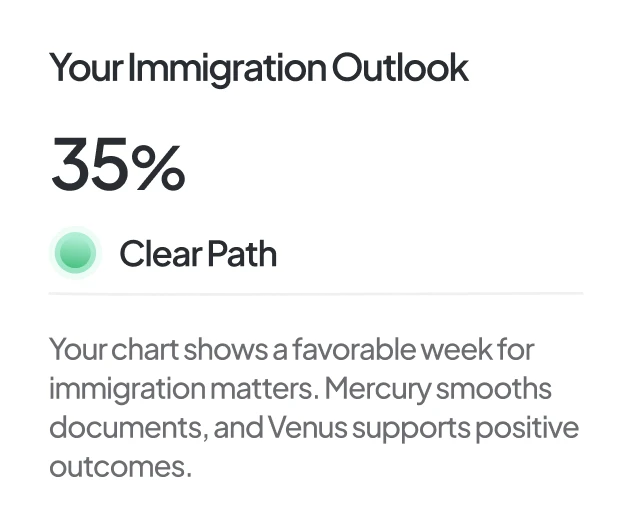
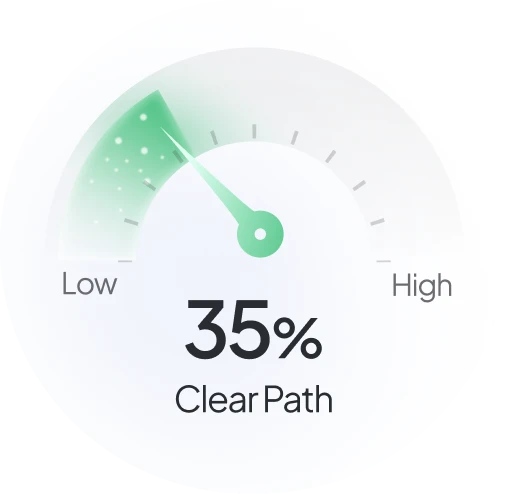
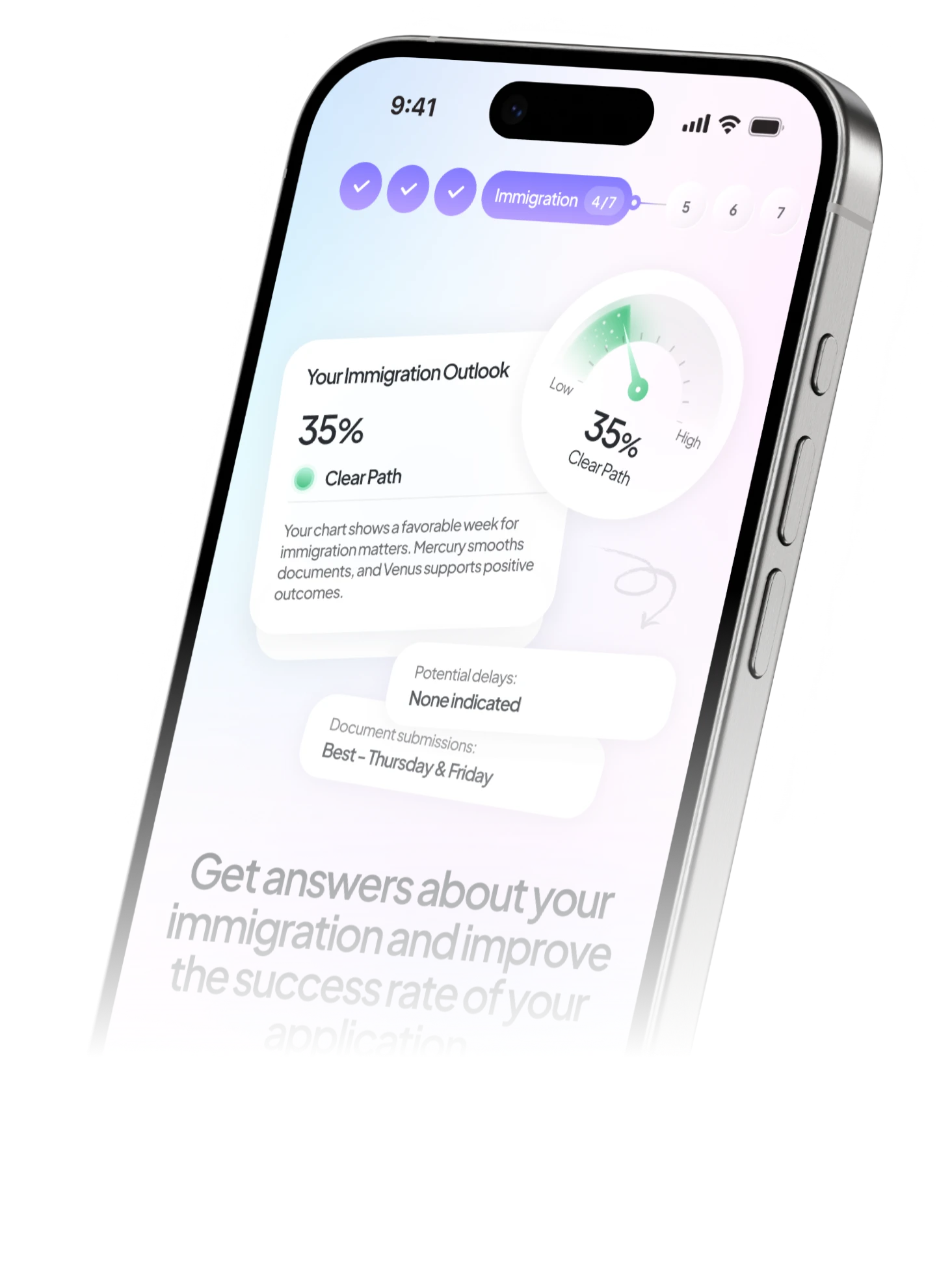
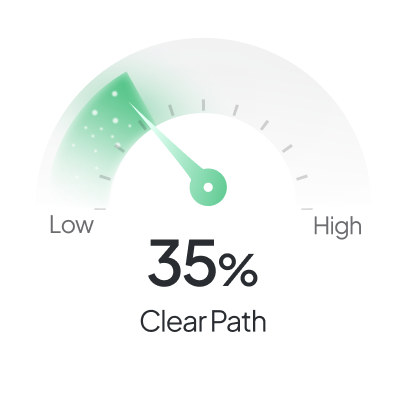
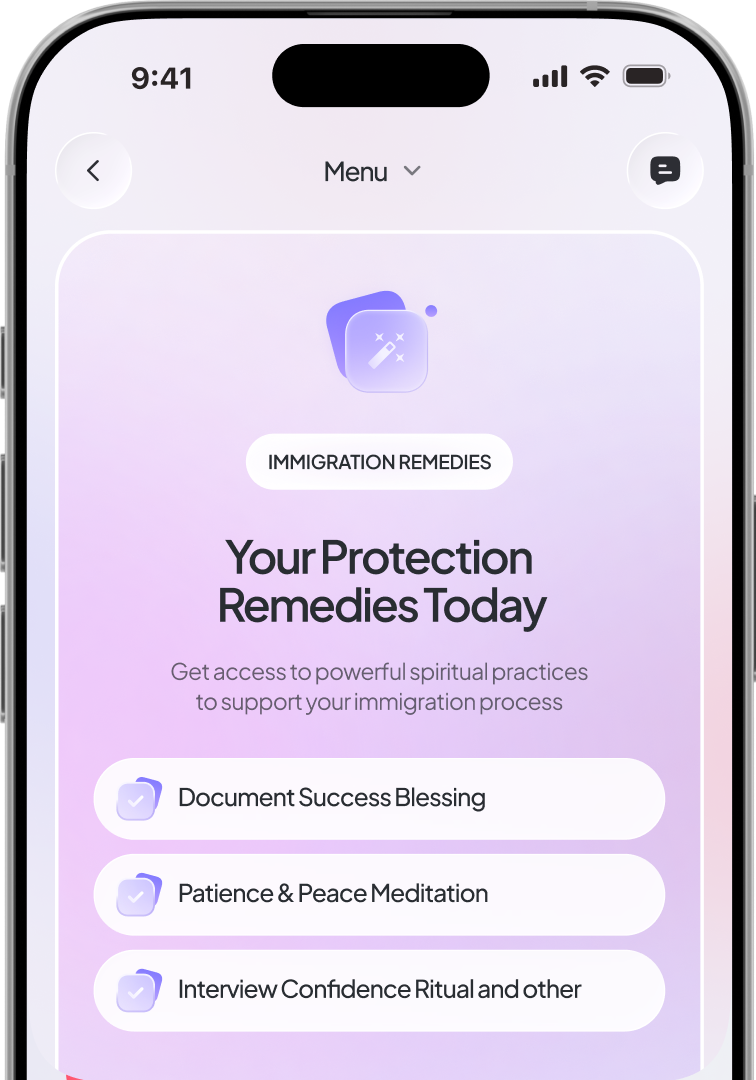
VisaCast is the world’s first immigration astrological app that helps you track your application using your horoscope, understand the best visa to apply for, and gives you the star’s answers to all your questions about recent immigration changes.
Get your answers now for just $20
Travel to the U.S. safely and confidently






What’s changed in U.S. immigration this year

Fees
Many application costs have increased. H-1B petitions now include a $100,000 fee, and there are new charges for humanitarian parole requests.

Wait times
Many U.S. consulates are facing long delays, which means visa interviews and approvals are taking more time than before.

Eligibility
Fewer people now qualify for certain visas or protections. New definitions limit which jobs, relationships, and humanitarian cases meet the requirements.

Program rollbacks
Some humanitarian and parole programs have been paused or ended, and fewer refugees are being admitted for resettlement.

Digital systems
More applications must now be submitted online. This can speed up some reviews, but also creates barriers for people without steady internet or legal support.

Regional priorities
Policy changes have shifted focus toward certain countries, reducing opportunities for others.


Work
Visas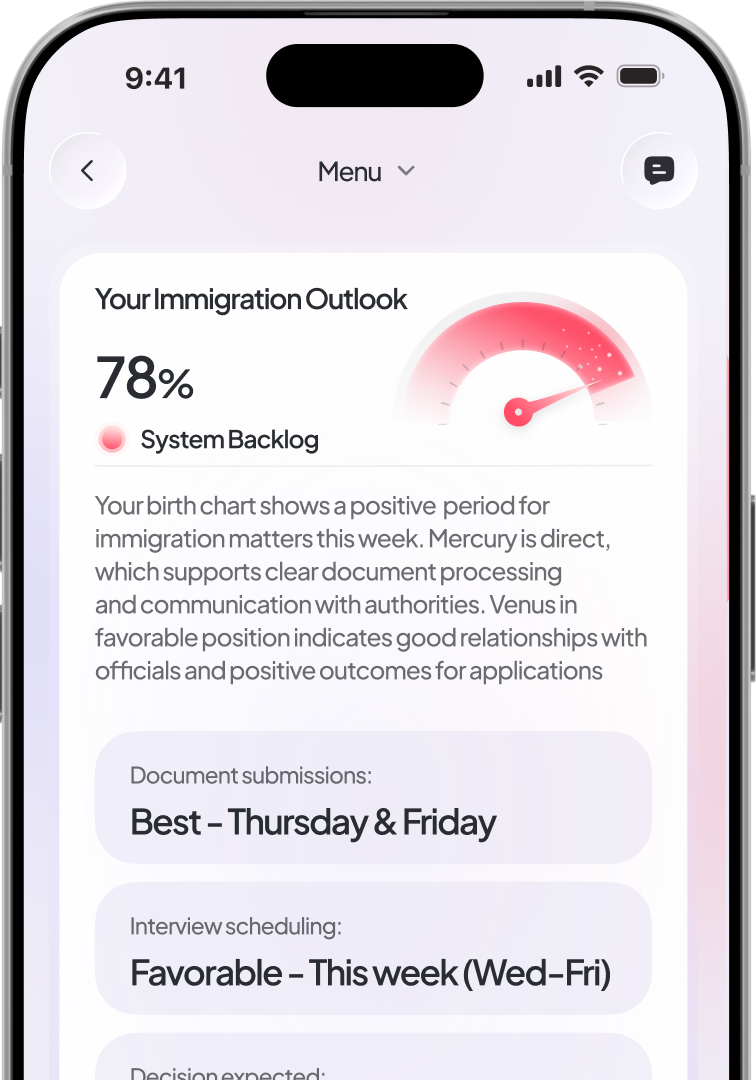
Tourist
Visas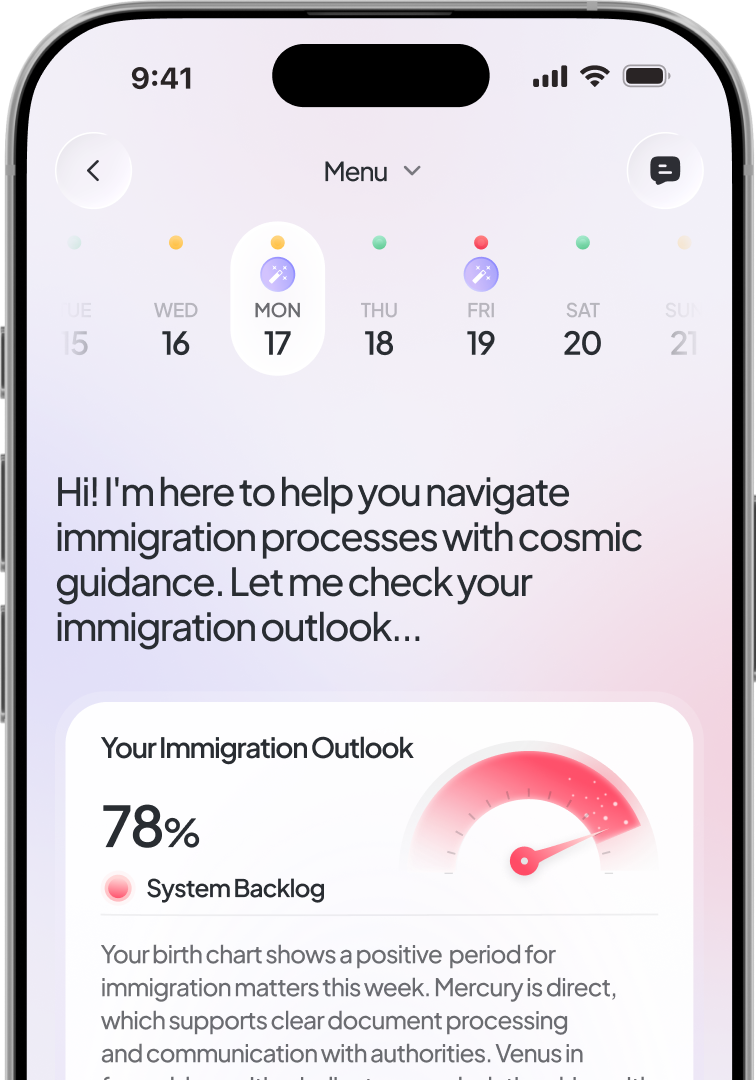
Immigration and green cards


Work visas

H-1B visa
For skilled workers in fields like technology, engineering, or medicine.
H-2B visa
For temporary or seasonal jobs outside of farming, such as hospitality or construction.
L-1 visa
For employees transferring from a company’s international office to a branch in the U.S.
O-1 visa
For people who’ve shown exceptional ability in their work — for example, in science, the arts, or sports.
TN visa
For Canadian and Mexican professionals working in the U.S. under the USMCA agreement.
H-1B visa

Employers must now make a $100,000 payment with any new H-1B petition filed on or after Sept 21, 2025

A presidential proclamation limits entry for some H-1B workers who were outside the U.S. without a valid visa when the rule took effect.

A proposed update would change the lottery system to favor jobs with higher pay or advanced skill levels.

Officials are also discussing raising wage standards for H-1B positions to focus on specialized workers.


Before 2025
 Standard petition fees only
- Random lottery selection
- Standard entry for approved workers
- Broad range of eligible roles
- Consistent wage levels
After 2025
 $100,000 employer fee for new petitions
- Weighted selection favoring higher salaries
- Entry restrictions for some H-1B holders abroad
- Tighter focus on high-skill, high-wage positionsor your citizenship
- Proposed increases to prevailing wage requirements
H-2B visa

The government temporarily increased the number of available H-2B visas for Fiscal Year 2025, allowing thousands more seasonal workers to enter.

Employers must now show stronger proof that no qualified U.S. workers are available before hiring someone from abroad.

Oversight has become stricter, with more audits and compliance checks.


Before 2025
- Limited annual visa cap
- Basic recruitment requirements
- Moderate compliance checks
- Slower processing at many consulates
- Few worker protections in practice
After 2025
- Temporary increase in available visas for FY 2025
- Expanded proof of U.S. labor shortage
- Heightened audits and enforcement
- Priority handling for high-demand industries
- More attention to fair pay and treatment
L-1 visa

Pay levels for L-1 workers may rise to match wages under H-1B rules.

Third-party worksites are getting more attention to confirm employees are still working for the same company.

Site visits and audits are expected to increase for global businesses using L-1 transfers.

Companies may need to show more detailed proof of business ties and employee qualifications.


Before 2025
- Fewer wage restrictions
- Limited checks on third-party placements
- Occasional company audits
- Simple proof of corporate link
- Moderate processing timelines
After 2025
- Higher wage benchmarks under new rules
- Increased oversight of offsite work
- Regular inspections and document reviews
- Expanded documentation required
- Possible longer reviews for complex cases
O-1 visa

Entrepreneurs and founders can now qualify by showing real-world impact, not just awards, give people more flexibility.

More types of evidence now count toward proving “extraordinary ability,” including industry results and verified media coverage.

Officers received new training to better understand creative and tech-based careers when reviewing applications.

O-1B rules were clarified for digital creators and entertainment professionals working across multiple platforms.


Before 2025
- Narrow definition of «extraordinary ability»
- Limited options for entrepreneurs
- Heavy reliance on awards or press
- Inconsistent officer training
- Limited recognition of online creators
After 2025
- Broader interpretation across new industries
- Clearer path for founders and innovators
- Acceptance of digital impact and measurable influence
- Updated training for modern career types
- New guidelines for digital and cross-platform talent


Employers
For many employers, the biggest changes are higher costs and more paperwork. The new $100,000 H-1B fee adds a major upfront expense for companies that hire skilled international workers. Businesses using L-1 or H-2B visas are also facing closer reviews and longer wait times. Many are now adjusting their hiring plans and budgets to keep up.

Workers
For many workers, these new rules have brought both chances and challenges. People applying for H-1B visas now face higher fees and tougher competition. Seasonal workers with H-2B visas have a few more openings, but the process takes more steps and proof. Workers coming to the U.S. on L-1 or O-1 visas also need stronger documents to show their skills and job history. Overall, the rules are changing fast, so it’s important to stay updated and get help if something isn’t clear.

Families
Families are feeling these changes, too. Spouses and children of visa holders are waiting longer for renewals, and some now face extra travel limits based on the main applicant’s visa status. This makes it harder for families to plan work, school, and travel with confidence.

Work visa resources and support




Tourist visas

B-1 visa – short business travel
The B-1 visa is for people who need to visit the United States for short business trips. This includes things like meetings, contract discussions, or professional events. It does not allow paid work or long-term employment while in the country.
B-2 visa – personal and family travel
The B-2 visa is for people visiting the United States for personal reasons, such as family visits, vacations, or medical treatment. It’s also used for cultural or social trips, but it does not allow paid work or long-term study.
The U.S. made several updates to how B-1 adn B-2 visas are reviewed this year. Applicants now face stricter checks, and most interview waivers have been removed. That means more people must go to their local consulate in person before getting approval.
Travelers from certain higher-risk countries may also need to pay a temporary visa bond between $5,000 and $15,000 before entering the United States.
Before 2025
- Many applicants qualified for interview waivers
- No visa bond requirements
- Faster approvals for repeat travelers
- Limited proof of business activity needed
After 2025
- Most applicants now required to interview in person
- Bond pilot program in effect for select countries
- Longer review times and extra documentation
- Stronger evidence required to confirm short-term intent
Tourist visa resources and support
Before you apply
Check your passport
It should be valid for at least six months after your planned stay.
Review your DS-160 form carefully
Even small mistakes can cause delays.
Prepare financial documents
Bank statements or work letters help show you can pay for your trip.
Book your appointment early
Wait times are longer at many consulates, so schedule as soon as you can.
Show ties to your home country
Bring documents like property papers, job contracts, or school enrollment to prove you plan to return home.
Include supporting letters if needed
Medical or business documents can help explain your visit.
Gather proof of travel plans
This can include flight details, hotel bookings, or invitation letters from family or friends.


Get answers about your upcoming trip

Immigration and green cards
Family-based
immigration

Family visa processing is taking longer this year as consulates work through backlogs and apply new screening rules. The public charge rule, which looks at whether an applicant might rely on government benefits, is also being reviewed again.

In addition, some interview waivers for follow-to-join family cases have been reduced, meaning more relatives now need to attend in-person interviews abroad.


Before 2025
- Consistent processing times for most categories
- Stable public charge policy
- Occasional interview waivers
- Predictable income thresholds
After 2025
- Longer review and backlog-related delays
- Renewed review and updated DHS guidance
- Fewer waivers, more in-person requirements
- More frequent updates and verifications
Employment-based
green cards
Employment-based green cards are moving slower this year because of long backlogs and new policy reviews. The Department of Labor has started checking applications more closely, especially job postings and wage levels under the PERM process.

Workers already in the U.S. on temporary visas are also facing delays when applying for green cards as new fees and extra verification steps are introduced.

Before 2025
- Steady Visa Bulletin progress
- Standard PERM audits
- Streamlined change of status
- Predictable costs
After 2025
- Slower movement due to backlogs
- Expanded audits and wage verifications
- Longer transitions from temporary visas
- Higher filing fees and verification charges
Diversity visa and humanitarian programs

Diversity Visa Lottery fee
Starting with the DV-2027 program, applicants must now pay a $1 registration fee when submitting entries online, in addition to the $330 Diversity Visa Application fee.

The State Department is enforcing stricter checks and may deny applications with duplicate or incomplete entries. It also warns against websites that claim to guarantee selection.

The CHNV program (for people from Cuba, Haiti, Nicaragua, and Venezuela) ended in March 2025, leaving many pending or approved cases affected.

In May 2025, the Court ruled that the government may revoke parole protections for over 500,000 migrants who entered under the CHNV program.

New parole fee
A new policy under the HR-1 bill adds a filing fee for humanitarian parole requests, starting October 2025.


Before 2025
- Fixed list of eligible DV countries
- Paper-based lottery entries
- Limited humanitarian parole options
- Minimal oversight on third-party sites
After 2025
- Updated list reflecting new regional trends
- Fully digital, stricter submission checks
- Expanded programs and longer stays
- Stronger warnings and anti-fraud actions
Refugees and humanitarian protection

Refugee program reduced
The national refugee program was paused early in the year and then restarted with a much smaller admissions cap of 7,500 for 2026 — the lowest in decades.

Cuts to support services
Many resettlement agencies lost funding, forcing offices to close and limiting help for newly arrived families.

Tougher approvals
Asylum requests are being denied more often under stricter rules and faster review timelines.

Shift in regional priorities
More spaces were given to certain groups, like white South African Afrikaners and specific religious minorities, while far fewer refugees from the Middle East and Africa were approved.

New asylum system
Most asylum cases now happen through online filings and remote interviews. While this speeds up some cases, many applicants don’t have the internet access or legal help they need.


Before 2025
- Annual ceiling over 100,000 (FY 2024 target)
- Broad regional resettlement priorities
- Steady funding for resettlement partners
- In-person asylum interviews and paper filings
- Lengthy but steady asylum approvals
After 2025
- Ceiling cut to 7,500 for FY 2026
- Narrowed focus on limited groups and regions
- Reduced support and fewer local offices
- More remote reviews and digital submissions
- Faster processing, lower approval rates
Immigration resources and support
HIAS (Hebrew Immigrant Aid Society)
Provides legal help, asylum support, and humanitarian assistance to displaced people.
International Rescue Committee (IRC)
Offers help with resettlement, job training, and legal services for refugees and asylum seekers.
Catholic Legal Immigration Network (CLINIC)
Connects people to faith-based legal aid and advocacy programs across the country.
Immigration Advocates Network
Hosts a national directory of free or low-cost immigration legal service providers.

Feel peace about your green card application.





When will my green card arrive? When will my visa finally be approved?When will my green card arrive? When will my visa finally be approved?When will my green card arrive? When will my visa finally be approved?
Which month should I expect movement on my case?Which month should I expect movement on my case?Which month should I expect movement on my case?
Is now the right time to switch from an H-1B to a green card application?Is now the right time to switch from an H-1B to a green card application?Is now the right time to switch from an H-1B to a green card application?
How long will my asylum application take?How long will my asylum application take?How long will my asylum application take?
Will my application for asylum be successful?Will my application for asylum be successful?Will my application for asylum be successful?
Will my appeal succeed, or should I prepare for another route?Will my appeal succeed, or should I prepare for another route?Will my appeal succeed, or should I prepare for another route?
When will my green card arrive? When will my visa finally be approved?When will my green card arrive? When will my visa finally be approved?When will my green card arrive? When will my visa finally be approved?
Which month should I expect movement on my case?Which month should I expect movement on my case?Which month should I expect movement on my case?
Is now the right time to switch from an H-1B to a green card application?Is now the right time to switch from an H-1B to a green card application?Is now the right time to switch from an H-1B to a green card application?
How long will my asylum application take?How long will my asylum application take?How long will my asylum application take?
Will my application for asylum be successful?Will my application for asylum be successful?Will my application for asylum be successful?
Will my appeal succeed, or should I prepare for another route?Will my appeal succeed, or should I prepare for another route?Will my appeal succeed, or should I prepare for another route?